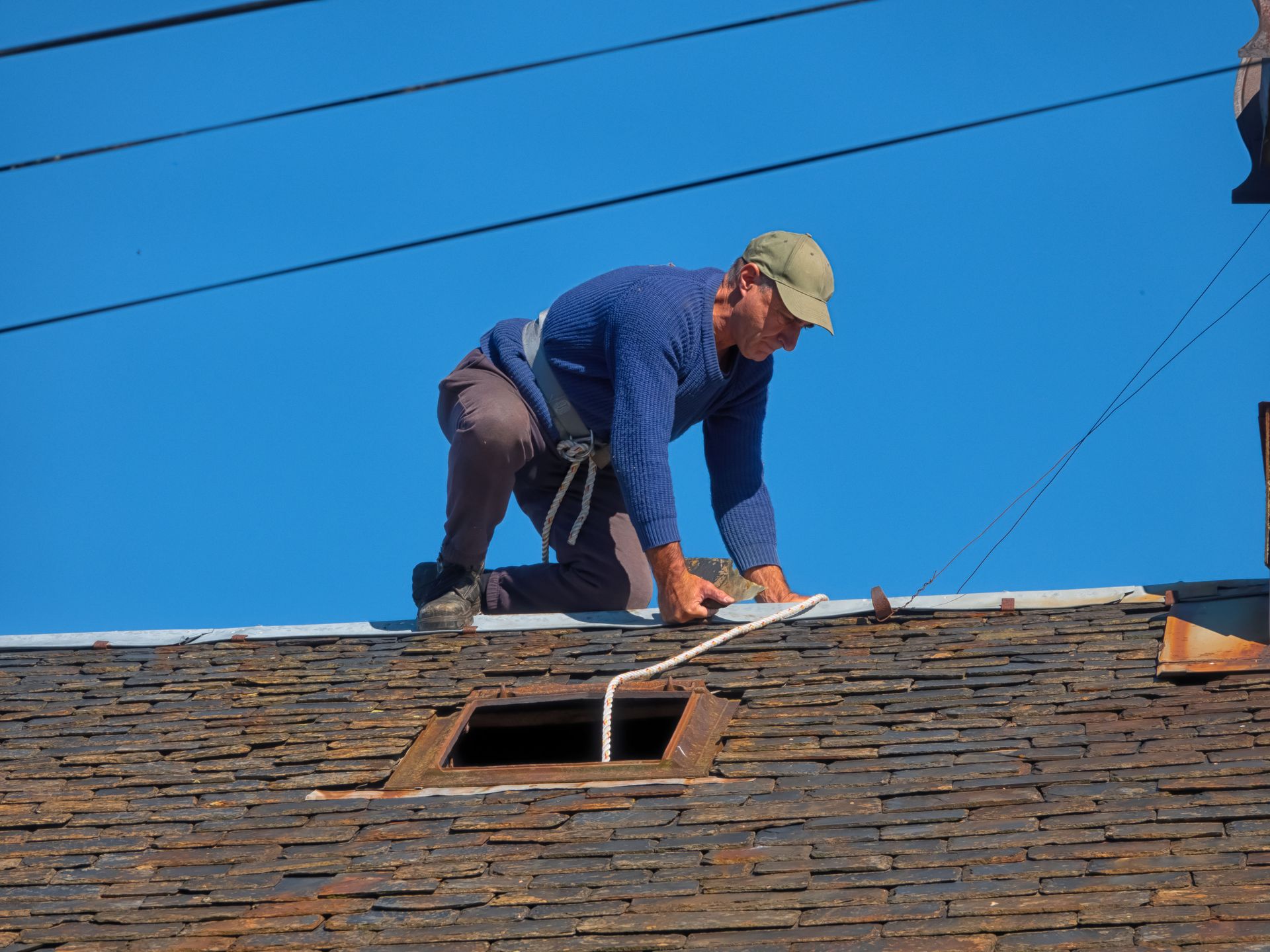
Understanding the difference between a roofing company and a roofing contractor can help homeowners in Walnut Creek, CA, make smarter hiring decisions and avoid costly mistakes. These two terms are often used interchangeably, but they refer to different types of roofing professionals with distinct structures, capabilities, and levels of accountability.
What Is the Difference Between a Roofing Company and a Roofing Contractor?
A company is an organized business entity that employs multiple workers, carries formal insurance, and takes on a wide range of projects. A roofing contractor, on the other hand, may refer to an individual tradesperson or a sole operator who is licensed to perform roofing work. Both can be skilled professionals, but the structural differences between them affect how your project gets handled from start to finish.
How Do Roofing Companies and Independent Contractors Compare in Structure?
Established roofing businesses typically have a dedicated team, a formal office, and an established process for managing jobs. They tend to carry broader liability coverage and workers' compensation insurance and may hold multiple trade licenses. An independent roofing contractor may operate with lower overhead, which can sometimes translate to lower bids, but that same lean structure may mean less backup if something goes wrong.
When Should You Hire a Roofing Company vs. a Roofing Contractor?
The right choice often depends on the size and complexity of your project. An individual roofing contractor may be a practical option for small, straightforward repairs like patching a minor leak or replacing a few damaged shingles. These jobs are quick, require minimal coordination, and may not need a large crew.
Which Projects Call for a Full-Service Roofing Company?
For larger-scale work, such as a full roof replacement, storm damage repairs, or commercial roofing, a licensed roofing operation is typically the better fit. Larger projects require coordinated crews, phased timelines, material sourcing, and stronger accountability structures. A company has the resources to manage these demands and typically has a formal process for handling permits and inspections.
How Does Your Choice Impact Cost, Timelines, and Accountability?
Your choice can affect all three areas in meaningful ways. Independent contractors may offer lower upfront costs, but limited staff can mean longer timelines if the job is large or complications arise. An established roofing business may charge more, but that cost often reflects broader insurance coverage, a structured crew, and a more predictable schedule.
Why Do Licensing and Insurance Matter When Hiring a Roofer?
Accountability is one of the most important factors to consider. A licensed and insured roofing operation typically carries workers' compensation and general liability coverage, protecting you if a worker is injured on your property or damage occurs. Always ask for proof of licensing and insurance regardless of which type of professional you hire, and verify their California contractor's license with the CSLB before signing any agreement.
Explore your options by visiting our
roofing services page
to understand the full scope of what a fully licensed and insured operation can offer.
Ready to Talk to a Trusted Roofing Company Serving Walnut Creek, CA?
Planchon Roofing Inc. proudly serves Walnut Creek, CA, and surrounding East Bay communities with licensed, bonded, and insured residential and commercial roofing services. Whether you need a minor repair or a full replacement, our team brings over 70 years of family-owned expertise to every project.
Contact Planchon Roofing Inc.
to request a free estimate today, or call
(510) 235-4056
. You can also find us on
Google
.