

What Types of Roofing Materials Work Best for San Ramon and Danville Homes?
For most San Ramon and Danville homes, cool-rated architectural asphalt shingles offer the best balance of performance and cost. Tile and metal are strong options too, depending on your roof structure and fire-hazard zone. The San Ramon Valley sees summer highs above 90°F, wet winters, and wildfire-adjacent hillsides, and each of those factors narrows the field. Planchon Roofing has installed and repaired roofs across the East Bay for decades.
Why Local Climate Matters More Than You Might Expect
Danville and San Ramon share an inland valley climate with dry, sun-drenched summers and wet, wind-driven winters. That combination affects roofing materials differently than coastal Bay Area conditions. UV exposure can wear down standard asphalt shingles faster than their rated lifespans suggest, and winter rain puts stress on flashing and underlayment. Homes on the eastern hillsides may sit near Wildland-Urban Interface (WUI) zones, where California building codes and local fire rules can require Class A fire-rated roofing. Fire rating and solar reflectance should both be part of any material decision in this area.
Which Roofing Material Performs Best Here?
No single material is right for every home. The best choice depends on your roof pitch, framing load capacity, HOA requirements, and budget. Three materials cover most new installs and replacements in Danville and San Ramon.
Architectural Asphalt Shingles
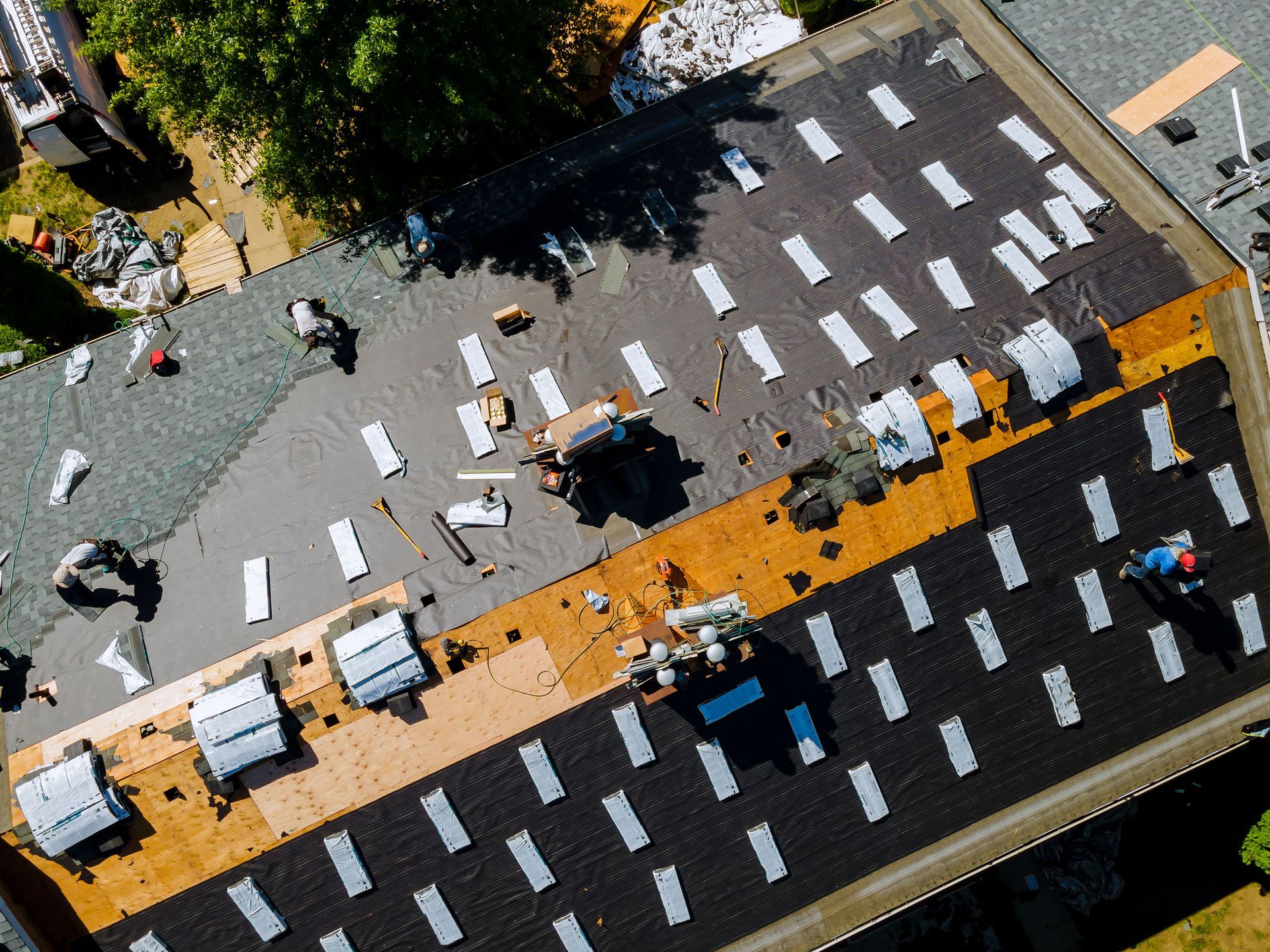
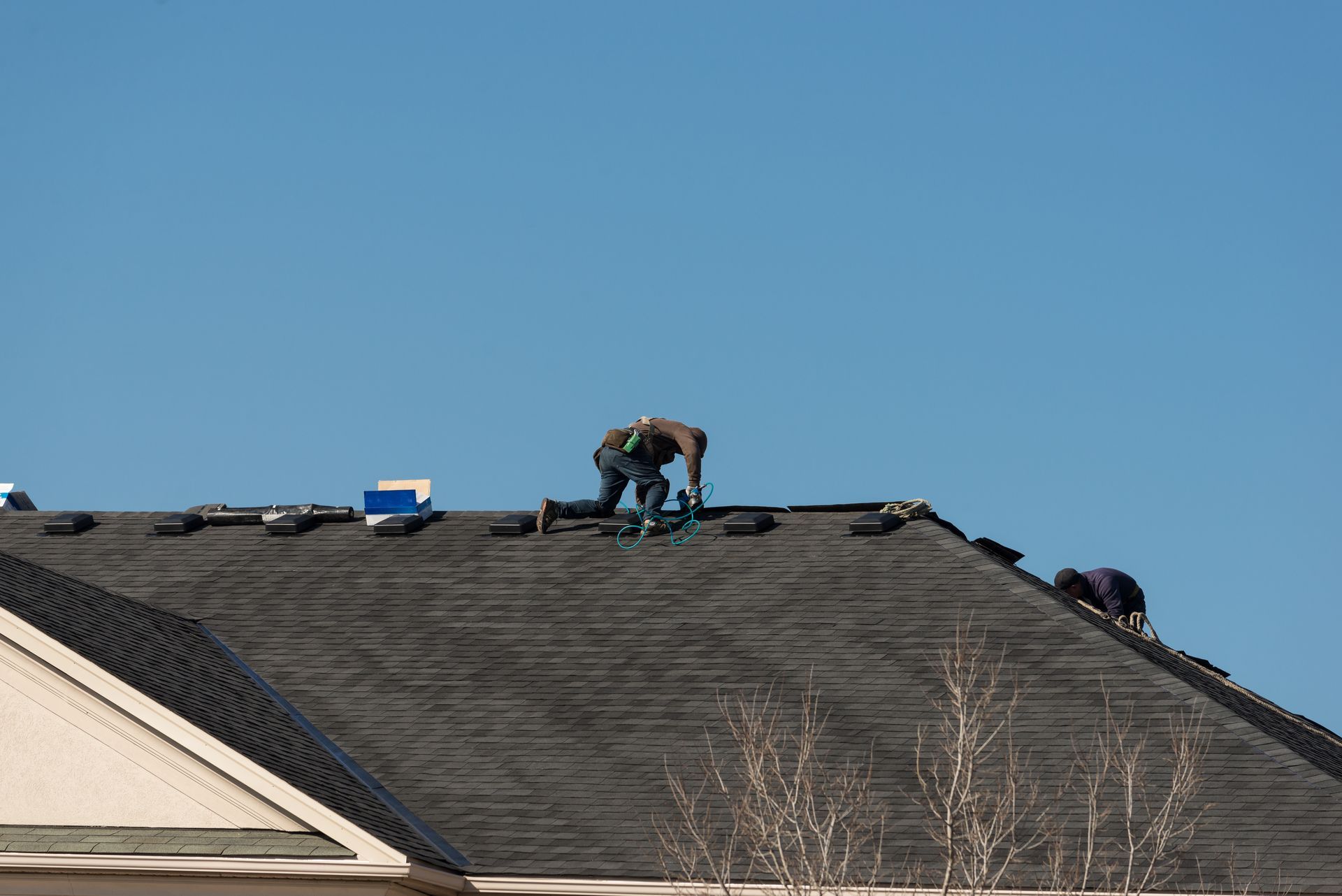
Asphalt shingles are the most common roofing choice in California. Modern architectural shingles can carry Class A fire ratings, and cool-roof options reflect more solar heat. A standard re-roof typically takes three to four days, and manufacturer warranties on architectural shingles commonly run 30 years. For most single-family homes in Danville and San Ramon, this is a practical starting point.
Clay and Concrete Tile
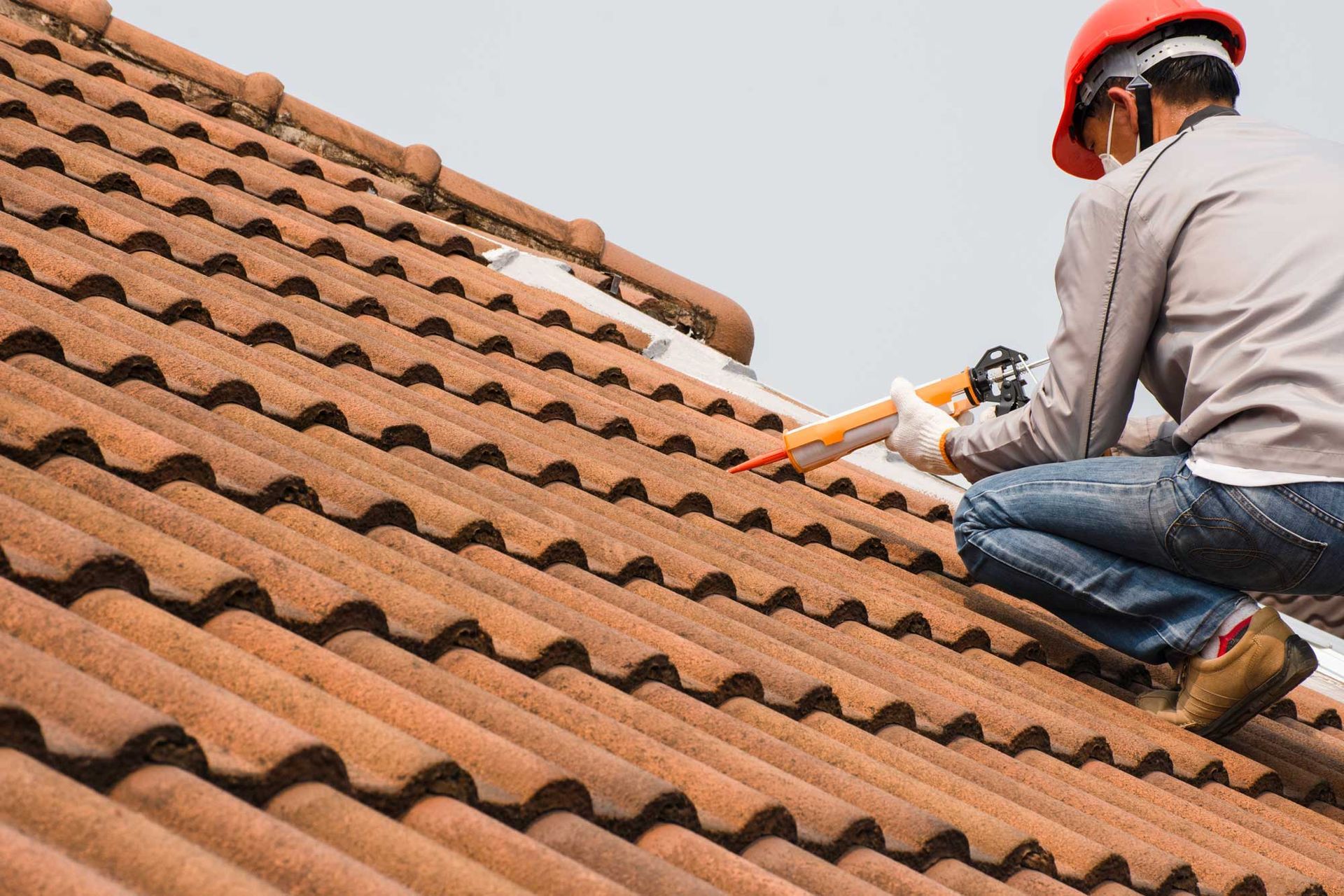
Tile is common on Mediterranean, Spanish Colonial, and Mission-style homes throughout the East Bay. Clay and concrete tiles are non-combustible and carry Class A fire ratings, and their mass helps slow heat transfer during summer afternoons. Tile is heavier than asphalt, so the framing must be able to support the load. Tile roofs often last 50 years or more with minimal maintenance.
Standing-Seam Metal Roofing
Metal roofing is gaining popularity in the East Bay, especially on hillside properties near WUI zones. Standing-seam systems can carry Class A fire ratings, are lighter than tile, and reflect solar radiation, which can lower cooling loads on hot days. Metal roofs often last 40 to 70 years. The upfront cost is higher than shingles, but replacement frequency drops, which is worth weighing for owners who plan to stay 20 years or more.
What About Wood Shake?
Wood shake remains one of the most distinctive roofing looks, and many older homes in the area have it. Real wood shake needs regular maintenance to resist moisture and UV damage, and untreated shake does not meet the Class A fire ratings required in many East Bay fire-hazard zones. Homeowners who want the look without the fire risk often choose synthetic shake, which uses polymer composites to replicate the appearance and can carry Class A ratings.
How Planchon Roofing Helps You Choose
Planchon Roofing has been operating in the East Bay since 1949 and holds California Contractor License #421131 (Class C39 Roofing and Class B General Building). The company is a GAF Certified Residential Roofing Contractor. Every estimate is free, and Planchon manages permit applications and inspection scheduling for you. Homeowners pay the permit fee directly. Ask any contractor you are comparing who handles permit logistics, since that affects how much work falls on you.
What to Know Before You Decide
Planchon Roofing carries general liability and workers' compensation insurance, and can provide certificates on request. Manufacturer and workmanship warranty terms vary by product. Ask for the written terms in your estimate, including whether they transfer if you sell the home. Re-roofing jobs typically take three to four days, and the crew cleans up the job site when the work is complete.
Frequently Asked Questions
What Is the Best Roofing Material for Danville's Hot Summers?
Cool-rated architectural asphalt shingles and clay or concrete tile perform well in Danville's heat. Both can carry Class A fire ratings and manage solar heat gain better than standard shingles. Metal roofing offers the highest reflectivity and longevity, which is especially useful for hillside homes.
Do San Ramon HOAs Restrict Roofing Material Choices?
Many San Ramon communities, including master-planned developments, specify approved roofing materials and colors. Ask your HOA for its approved list, and have Planchon Roofing confirm which materials qualify before you finalize your estimate.
Does My Roof Need to Be Class A Fire-Rated in Danville or San Ramon?
Homes in or near WUI zones in the San Ramon Valley are subject to California fire codes that require Class A fire-rated roofing. Architectural asphalt shingles, clay and concrete tile, and metal roofing can all meet Class A standards when properly installed.
How Long Does a Roof Replacement Take in This Area?
A standard re-roof in Danville or San Ramon typically takes three to four days. Planchon Roofing manages permits, inspections, and cleanup, so the homeowner has little to coordinate once the job starts.
Does Planchon Roofing Offer Free Estimates in Danville and San Ramon?
Yes. Planchon Roofing provides free, no-obligation estimates for roofing services in Danville and San Ramon. Call (510) 235-4056 or email planchonroofing@att.net to schedule.
Get a Free Roofing Estimate From Planchon Roofing
Planchon Roofing serves Danville, San Ramon, and the broader East Bay. Call (510) 235-4056 or email planchonroofing@att.net to schedule your free estimate.
Recent Posts